Suggested Edit for Satellite
Suggested by cprainito on: 2026-07-11 01:42
Citation: I am the Chief Engineer of the HUCSat
Verdict: Approved
Reviewed by fredy on: 2026-07-11 07:14
| Name | HUCSat |
| NORAD ID | 98291 |
| Followed NORAD ID | 69794 |
| Alternative Names | WP2XZJ |
| Description | The Harvard Undergraduate CubeSat (HUCSat) is the inaugural CubeSat mission of the Harvard Undergraduate Aerospace Collective (HUAC), initiated in 2023 following selection by the NASA CubeSat Launch Initiative (CSLI). The HUCSat was designed and built by a team of undergraduate students at Harvard College, led by Chief Engineer Christopher Prainito and Project Manager Milligan Grinstead. HUCSat is a 2U CubeSat designed to demonstrate a novel solar array pointing mechanism using nickel-titanium (nitinol) shape-memory alloy coils. This system serves as a low-power, low-cost alternative to traditional motorized actuation. The onboard payload, named “Marlin,” deploys from its stowed configuration after initial detumbling and attitude stabilization. Through this mission, the HUCSat aims to validate the use of shape-memory alloys for solar array actuation and pointing, thereby contributing to more affordable, accessible, and efficient small-satellite missions. |
| Owner/Operator | - |
| Status |

|
| Reception Status | Unknown |
| Reception Evidence | - |
| Countries of Origin | |
| Website | https://christopherprainito.com/projects/hucsat/ |
| Dashboard URL | - |
| Launch Date | April 11, 2026, 11:41 a.m. |
| Deploy Date | July 2, 2026, 9 a.m. |
| Image | 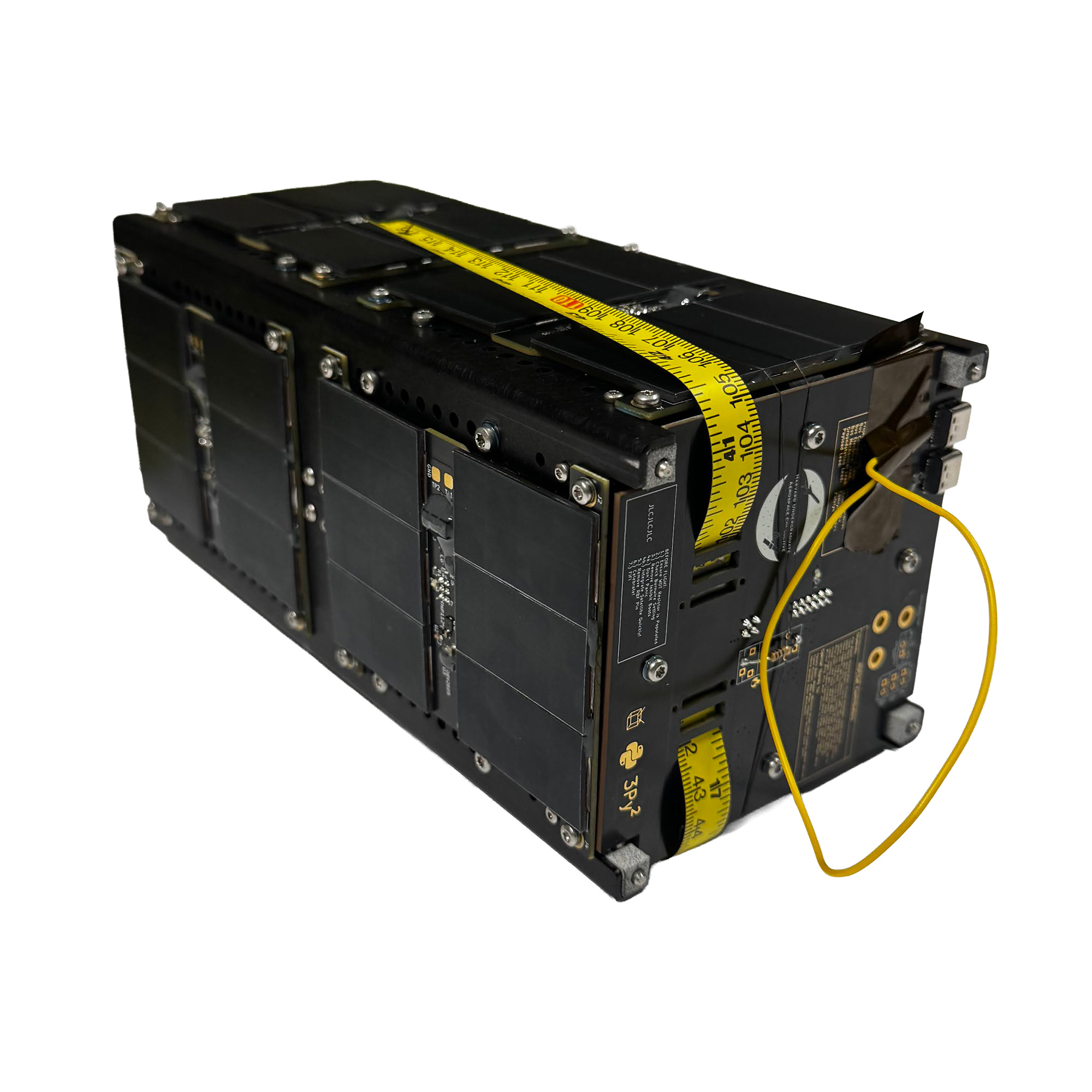 |
| Field | Previous | Suggested |
|---|---|---|
| Name | HUCsat | HUCSat |
| Followed NORAD ID | - | 69794 |
| Description | - | The Harvard Undergraduate CubeSat (HUCSat) is the inaugural CubeSat mission of the Harvard Undergraduate Aerospace Collective (HUAC), initiated in 2023 following selection by the NASA CubeSat Launch Initiative (CSLI). The HUCSat was designed and built by a team of undergraduate students at Harvard College, led by Chief Engineer Christopher Prainito and Project Manager Milligan Grinstead. HUCSat is a 2U CubeSat designed to demonstrate a novel solar array pointing mechanism using nickel-titanium (nitinol) shape-memory alloy coils. This system serves as a low-power, low-cost alternative to traditional motorized actuation. The onboard payload, named “Marlin,” deploys from its stowed configuration after initial detumbling and attitude stabilization. Through this mission, the HUCSat aims to validate the use of shape-memory alloys for solar array actuation and pointing, thereby contributing to more affordable, accessible, and efficient small-satellite missions. |